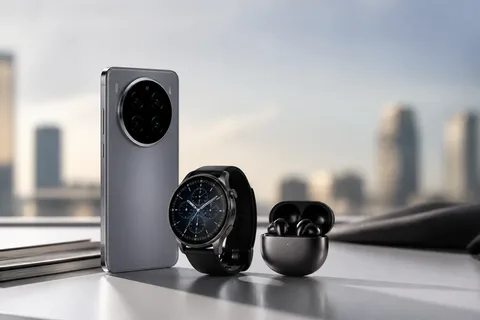
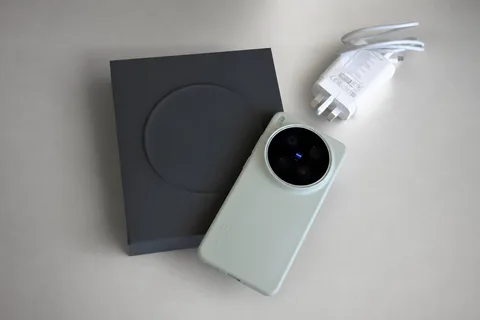
At MWC 2025, Xiaomi unveils new smartphone models and introduces innovative features to extend battery lifespan, including battery firmware updates in HyperOS 2.
 pandealia.euThe best coupons from Chinese stores, prices and price history in one place.
In 2025, we can expect the launch of several significant models, including the Xiaomi 15 series, as Xiaomi continues to develop its smartphone portfolio and introduces new advancements in extending battery life, which is increasingly important for users and sustainability. The new battery firmware update available through the HyperOS 2 operating system aims to enhance battery longevity and is available for the latest models released in 2025.
Launch of the Xiaomi 15 Series at MWC 2025
According to available information from February 2025, the Xiaomi 15 series will be officially launched on March 2, 2025, during the MWC conference. This event is a major occasion where the manufacturer can showcase the latest smartphone technologies and innovations, emphasizing advancements in performance and features.
Following the manufacturer's trend of innovation, it is likely that the MWC 2025 launch will include top-tier models within the Xiaomi 15 series, which are expected to present new hardware improvements and possible software enhancements, such as an updated HyperOS 2 system supporting better battery endurance.
New models, including the Xiaomi 15 series, will continue the tradition of premium devices focused on a combination of design, performance, and battery efficiency, which are key user expectations for 2025. Battery enhancements and system optimizations are anticipated in this regard.
Implementing Battery Firmware Updates in Xiaomi HyperOS 2
As per recent information from early 2025, Xiaomi HyperOS 2 introduces a brand-new feature – the ability to update battery firmware, allowing optimization of battery performance and prolonging battery life without the need for device replacement. This represents a significant advancement in software support for batteries.
Through this approach, battery firmware updates directly improve not only single-charge endurance, but also the overall lifespan of batteries, which are essential components of smartphones. This technology contributes to sustainability and more efficient device usage.
It is also important to highlight that this feature is exclusively available with HyperOS 2 and was not implemented in earlier versions, making an operating system update essential for users wishing to benefit from this battery life extension.
Software Innovations and Their Impact on User Experience
The new HyperOS 2 system, not only brings improvements to the user interface, but also technical innovations such as battery firmware updates that directly affect device endurance and longevity. This represents a new trend in hardware management via software updates.
As a result of these innovations, such software solutions help address common issues related to battery aging, reducing the need for frequent device replacements. Users will experience longer intervals between charges and better battery health throughout the smartphone’s lifespan.
These trends reflect an industry response to market demands and growing awareness of ecological aspects of technology, showing manufacturers' commitment to supporting longer and more efficient use of mobile devices over their lifecycle.
Overview of New Xiaomi Models and Their Market Significance in 2025
Among Xiaomi’s 2025 portfolio updates, besides the Xiaomi 15 series, attention is also given to recently launched models like the Redmi Note 14, which represent the latest mid-range devices focused on a strong price-to-performance ratio, typical for this Xiaomi smartphone line.
An interesting addition to the lineup is the POCO X7, known for its attractive pricing and competitive specifications, complementing the product range and enabling Xiaomi to cover various market segments with diverse user preferences.
The combination of different models in the portfolio confirms that these devices along with the upcoming Xiaomi 15 series showcase a comprehensive innovation strategy, including battery care and user experience across different classes and price ranges of smartphones.
Battery Life and Capacity in Typical Use for Xiaomi Smartphones
Studies indicate that smartphone batteries typically degrade to about 80% of their original capacity after approximately two years of use, meaning battery performance declines over time and replacement or optimization may be needed. This degradation process is a natural characteristic of all lithium-ion batteries.
Software solutions aim to halt or slow this capacity loss, with firmware updates from HyperOS 2 playing a crucial role by better managing charging processes and extracting more energy from the battery without damage.
Consequently, for the average user, it means that prolonged use of a single device is possible without significant loss of convenience, reducing the necessity for frequent smartphone replacements and enhancing sustainability of electronics consumption. Developments in this area thus have practical benefits.
In summary, the new battery update feature in Xiaomi HyperOS 2 represents a step forward in supporting long-term smartphone battery endurance. It helps minimize capacity decline and improves the overall user experience. Simultaneously, the launch of the Xiaomi 15 series at MWC 2025 confirms ongoing hardware and software development progress.