Xiaomi 18 Pro vs Xiaomi 18 Pro Max: Which Model Is the Better Choice?
Xiaomi has introduced a new generation of its flagship smartphones, and this time the difference between the Xiaomi 18 Pro and Xiaomi 18 Pro Max goes beyond display size. Both phones offer premium AMOLED panels, a rear display, Leica cameras, huge batteries, and the latest generation of Snapdragon chips. The Pro Max, however, adds a larger screen, a more powerful processor, a bigger battery, and several other upgrades.
The Xiaomi 18 Pro and Xiaomi 18 Pro Max were unveiled in China on September 23, 2026. At the time of writing, we are therefore primarily comparing the Chinese versions of the phones; specifications and prices of potential European models may differ.
Xiaomi 18 Pro vs Xiaomi 18 Pro Max: Quick Comparison
The specifications are based on the Chinese versions that have been introduced and on currently available manufacturer information.
Design and Dimensions: Compact Pro vs Large Pro Max
The most noticeable difference becomes obvious before you even turn the phone on. The Xiaomi 18 Pro is a relatively compact flagship, while the Xiaomi 18 Pro Max belongs to the category of large smartphones.
The Xiaomi 18 Pro measures approximately 151.8 × 72 mm and weighs around 203 to 208 grams depending on the material used. The Pro Max grows to 163.39 × 77.6 mm and weighs approximately 235 to 240 grams. Interestingly, despite its larger battery, the Pro Max is actually slightly thinner at 8.39 mm.
The difference should be significant in everyday use. The smaller Pro is easier to operate with one hand and more comfortable to carry in a pocket. The Pro Max, on the other hand, provides considerably more screen space for watching videos, gaming, photo editing, and multitasking.
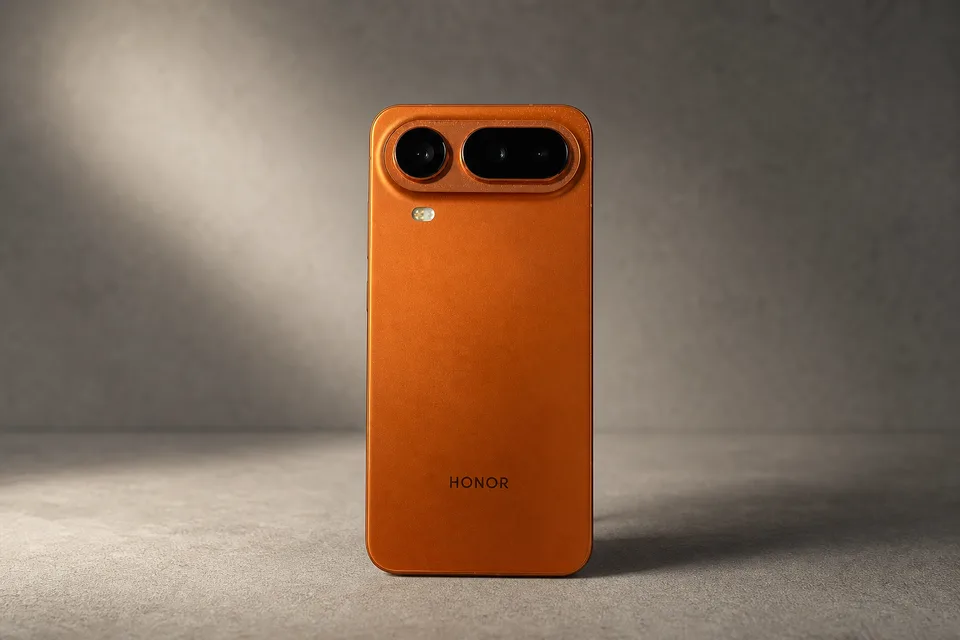
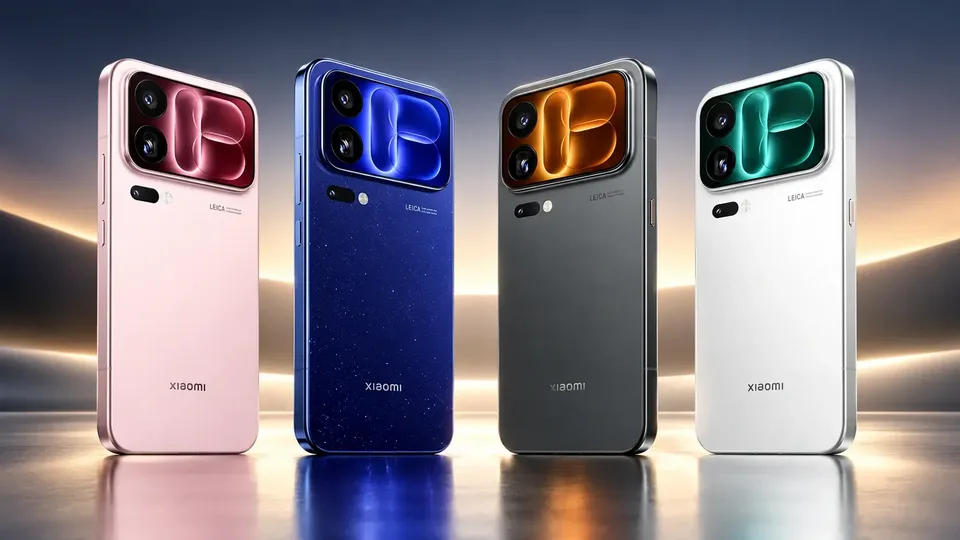
Both models continue the design concept featuring a secondary display on the rear. Xiaomi has also integrated it with AI features, allowing users to create their own cards for displaying timers, reminders, and other information.
Display: 6.4 or 6.9 Inches?
Xiaomi uses a new generation of AMOLED panels with Super Pixel 2.0 technology and the M11 light system in both phones. The panels support adaptive refresh rates of up to 120 Hz, while peak brightness reaches up to 4,000 nits according to the manufacturer.
The main differences are in size and resolution:
Display
Xiaomi 18 Pro
Xiaomi 18 Pro Max
Diagonal
6.4"
6.9"
Resolution
2436 × 1120 px
2624 × 1208 px
Refresh rate
up to 120 Hz
up to 120 Hz
Peak brightness
up to 4,000 nits
up to 4,000 nits
Rear display
2.7"
2.9"
The Xiaomi 18 Pro will be more attractive to users who do not want an oversized phone. The Pro Max is better suited to multimedia consumption and gaming.
Another interesting feature is hardware-based display privacy protection. The phone can reduce the readability of content when viewed from the side, and the feature can be enabled only for selected applications.
Performance: Pro Max Gets a More Powerful Snapdragon
One of the most important differences is hidden inside the phones. Xiaomi does not use exactly the same chipset in both models.
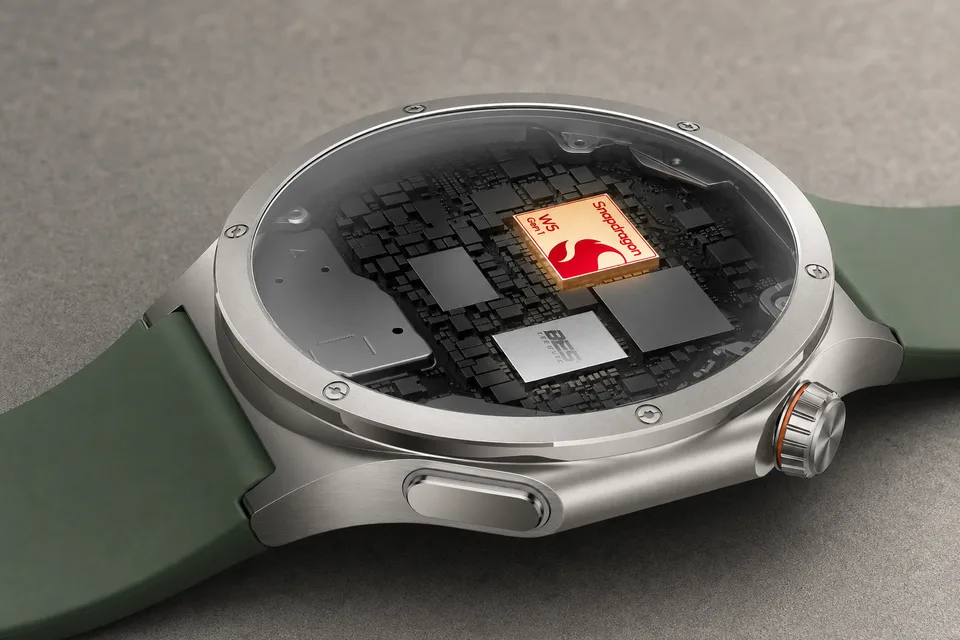
The Xiaomi 18 Pro uses the Snapdragon 8 Elite Gen 6, while the Xiaomi 18 Pro Max gets the more powerful Snapdragon 8 Elite Extreme Gen 6. Both chips belong to Qualcomm's new 2 nm generation.
The Pro Max also uses a more advanced cooling solution and is designed to handle sustained workloads more effectively. The difference may not be significant when using social media, browsing the web, or taking photos, but it could become noticeable during demanding gaming, video rendering, or prolonged AI workloads.
For most users, the performance of the Xiaomi 18 Pro will be more than sufficient. From a performance perspective, the Pro Max makes more sense for users who want to get the maximum possible performance from the new hardware generation.
Cameras: Two 200 MP Sensors
The cameras are among the biggest highlights of the entire series. Xiaomi continues its collaboration with Leica, and both phones feature a triple-camera system covering a wide range of focal lengths.
The setup is led by a 200 MP main camera with an approximately 1/1.28-inch sensor. It is complemented by another 200 MP periscope telephoto camera with approximately 3.2× optical zoom and the ability to focus from short distances. The third camera is a 50 MP ultra-wide sensor.
Camera
Xiaomi 18 Pro
Xiaomi 18 Pro Max
Main camera
200 MP, OIS
200 MP, OIS
Periscope telephoto
200 MP, 3.2×, OIS
200 MP, 3.2×, OIS
Ultra-wide
50 MP
50 MP
Selfie camera
50 MP
50 MP
The main cameras are not completely identical, however. The Pro Max uses a more advanced sensor variant known as Light Hunter 960L, where Xiaomi uses LOFIC technology to improve performance in scenes with very high dynamic range. The smaller Pro uses the Light Hunter 960.
In practice, the Pro Max could therefore have an advantage particularly in scenes combining very bright and very dark areas. The actual difference, however, will need to be confirmed through direct photo comparisons between both phones.
Battery: Pro Max Has a Huge 8,500 mAh Capacity
The battery is one of the biggest differences between the two models.
The Xiaomi 18 Pro already features an unusually large 7,000 mAh battery, especially considering its compact dimensions. The Pro Max increases the capacity to an impressive 8,500 mAh.
Battery and charging
Xiaomi 18 Pro
Xiaomi 18 Pro Max
Capacity
7,000 mAh
8,500 mAh
Wired charging
100 W
100 W
Wireless charging
50 W
50 W
Reverse charging
supported
supported
The Pro Max does have to power a significantly larger display, but the increase in battery capacity is also substantial. For people who travel frequently, play games, or use their phone heavily throughout the day without access to a charger, the battery could be one of the main reasons to choose the larger model.
It is important to emphasize, however, that these battery capacities apply to the Chinese versions. Reports have suggested different capacities for upcoming global variants, but the final specifications of European versions have not yet been officially confirmed on Xiaomi's local product pages at the time of writing.
The Rear Display Is No Longer Just a Design Feature
One of the most distinctive elements of the series is the secondary AMOLED display positioned next to the camera module.
The Xiaomi 18 Pro uses an approximately 2.7-inch display, while the Pro Max increases this to approximately 2.9 inches. A refresh rate of up to 120 Hz is supported.
The rear display can be used to quickly show information, provide a preview when taking photos with the rear cameras, or run various mini-apps. The new generation also introduces AI-based generation of custom application cards. Users can therefore personalize what type of information they want to see on the rear screen.
The ability to use the high-quality rear cameras for selfies is one of the most practical advantages of this design.
Features and Durability
In other areas, the Xiaomi 18 Pro and Pro Max are very similar. Both offer an ultrasonic fingerprint reader under the display, Wi-Fi 7, modern Bluetooth connectivity, an infrared transmitter, UWB, and the HyperOS 4 operating system.
Durability is another strong point. Both phones carry IP66, IP68, and IP69 certifications, making them suitable for more demanding conditions as well.
The Pro Max also has an advantage in terms of audio hardware. While the Xiaomi 18 Pro uses two speakers, the larger model features three speakers, which could improve the experience when watching movies or playing games without headphones.
Xiaomi 18 Pro and Xiaomi 18 Pro Max Prices
The phones initially went on sale in the Chinese market. Xiaomi's official store lists a starting price of 5,999 CNY for the Xiaomi 18 Pro and 6,999 CNY for the Xiaomi 18 Pro Max.
Memory version
Xiaomi 18 Pro
Xiaomi 18 Pro Max
12 GB + 256 GB
5,999 CNY
6,999 CNY
12 GB + 512 GB
6,999 CNY
7,999 CNY
16 GB + 512 GB
7,999 CNY
8,999 CNY
16 GB + 1 TB
8,999 CNY
9,999 CNY
These prices apply to China and should not be considered direct indications of future Slovak or European pricing.
Xiaomi 18 Pro or Xiaomi 18 Pro Max: Which One to Choose?
The Xiaomi 18 Pro is especially appealing to users looking for a more compact flagship without major compromises. It still offers a 200 MP main camera, a 200 MP periscope telephoto camera, a powerful 2 nm Snapdragon chipset, a 7,000 mAh battery, 100 W charging, and a secondary display. Compared with the Pro Max, it should also be easier to use with one hand.
The Xiaomi 18 Pro Max takes the opposite approach. Its main advantages are the 6.9-inch display, more powerful Snapdragon 8 Elite Extreme Gen 6, 8,500 mAh battery, larger rear display, more advanced main camera sensor, and three-speaker setup. It is aimed primarily at users who do not mind larger dimensions and want the highest level of equipment possible.
The biggest deciding factor may therefore not be the camera or performance, but simply the size of the phone. If you prefer a more compact device, the Xiaomi 18 Pro offers an almost complete flagship package. If you want the largest possible battery, display, and the most powerful configuration available, the Xiaomi 18 Pro Max is the more technically advanced variant.
Conclusion
This time, Xiaomi has not positioned the smaller Pro as a significantly stripped-down alternative to the Pro Max. The Xiaomi 18 Pro retains virtually all of the important features of the series, with its main advantage being compact dimensions combined with a 7,000 mAh battery.
The Pro Max adds improvements in areas where its larger body provides more space: a 6.9-inch display, an 8,500 mAh battery, a more powerful processor, a larger secondary display, and better audio hardware. Choosing between the two therefore largely comes down to compactness versus maximum equipment and battery life.
For European buyers, however, one important unknown remains: global availability, European pricing, and the final specifications of the international versions. Only once these details are officially announced will it be possible to make a definitive comparison of the models intended for the European market.


 Valid until: 9/30/2026€1,098.03€966.16View offer — Gshopper