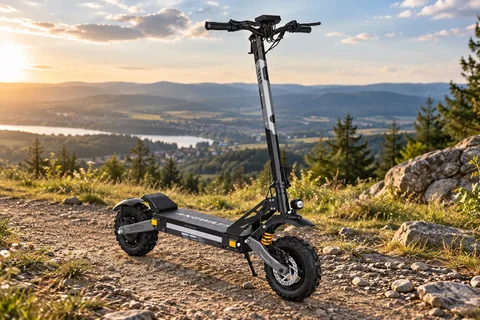
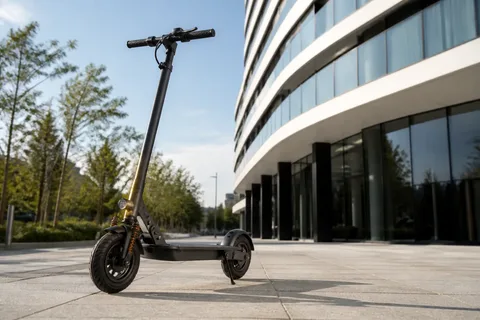
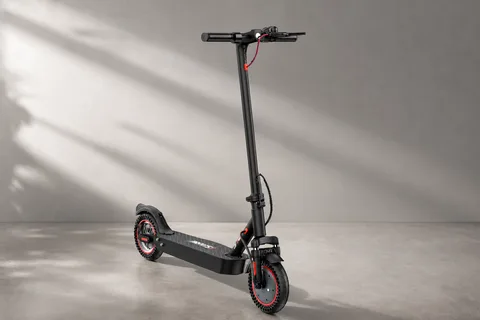
The Joyor T6E ABE has a claimed range of up to 70 km, while the T6E Pro ABE offers up to 90 km. Both electric scooters have a maximum load capacity of 148 kg, mechanical disc brakes on both wheels and a colour display on the handlebars.
 pandealia.euThe best coupons from Chinese stores, prices and price history in one place.
The Joyor T6E ABE has a claimed range of up to 70 km, while the T6E Pro ABE offers up to 90 km. Both electric scooters have a maximum load capacity of 148 kg, mechanical disc brakes on both wheels and a colour display on the handlebars.
The models were introduced in 2026 and, according to the supplied information, sales began on 1 July 2026. Their ABE designation refers to approval intended for the German market.
What ABE means for riding on roads
ABE is a German general operating permit. When choosing a scooter, it is important to check the rules in the country where you intend to use it. The ABE designation alone does not guarantee that riding is legal everywhere or exempt riders from local requirements, such as insurance where applicable.
Before riding, check where the scooter may be used and what requirements apply to both the rider and the vehicle.
Range and load capacity
| Specification | Joyor T6E ABE | Joyor T6E Pro ABE |
|---|---|---|
| Claimed range | Up to 70 km | Up to 90 km |
| Maximum load | Up to 148 kg | Up to 148 kg |
Based on the stated figures, the Pro has a maximum range 20 km longer than the standard model. It may be the better choice for riders planning longer trips or wanting more range between charges.
These are maximum claimed figures; the supplied information does not state the conditions under which they were measured. Actual range depends on factors such as the weight of the rider and luggage, speed, terrain and weather. Any luggage carried must also be included within the load limit.
Display and safety equipment
Both models have a large colour display on the handlebars showing current speed, battery level, the number of charging cycles and other information. The battery level can help riders plan the remainder of a trip, particularly when there is nowhere to charge along the way.
Mechanical disc brakes provide braking at both the front and rear wheels. Stopping distance also depends on speed, the riding surface and the condition of the brakes.
The lighting includes front and rear lights, as well as integrated turn signals on the handlebars and at the rear. The lights help with visibility, while the turn signals indicate the rider's intended direction to other road users.