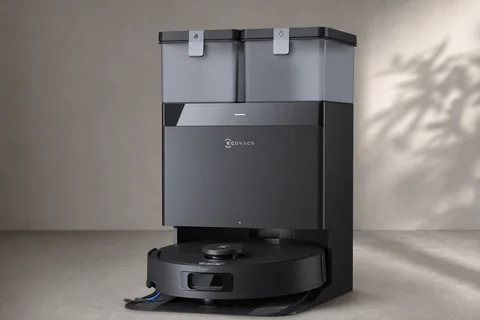
A robot vacuum used as an example in information published on 3 September 2026 is 109.6 mm tall and has an operating noise level of 55 dB. The first figure helps you assess whether it will fit under furniture; the second gives an indication of how noisy it is in use.
 pandealia.euThe best coupons from Chinese stores, prices and price history in one place.
A robot vacuum used as an example in information published on 3 September 2026 is 109.6 mm tall and has an operating noise level of 55 dB. The first figure helps you assess whether it will fit under furniture; the second gives an indication of how noisy it is in use. Neither figure answers those questions on its own without more context.
Height: will it fit under furniture?
A height of 109.6 mm is approximately 11 cm. For the vacuum to pass under a bed, cabinet or sofa, the clearance between the floor and the underside of the furniture must be greater than the robot’s height. A shorter robot generally has a better chance of reaching tighter spaces under furniture.
Before choosing a vacuum, measure the clearance at several points, particularly around the edges and any crossbars. Allow some extra space: an uneven floor, a rug or a sagging section of furniture can reduce the available clearance. If you measure approximately 11 cm, this robot may not fit.
Noise: what does 55 dB mean?
The 55 dB figure is the stated operating noise level for the example model. It provides a useful reference, but it does not guarantee that the vacuum will be unobtrusive while you work or talk. Perceived noise also depends on distance, the room and individual sensitivity.
When comparing vacuums, check whether their noise figures were measured under similar conditions. Results can depend on factors such as the selected mode and the surface being cleaned. If the measurement conditions are not stated, treat the comparison as a rough guide.
To assess whether a robot vacuum suits your home, consider both figures: measure the space under the furniture you want it to clean, and think about when and where it will operate.